
things i learned from my twelfth novel
project.death taught me more about life than I expected

On 2 October 2025, I finished the first draft of my twelfth novel, currently going under the alias project.death. (I call it an alias… it doesn’t even have a working title yet). I’ve talked about it here a few times, but in case you missed it:
project.death is Spiritfarer (video game) meets Becky Chambers’s Monk and Robot series.
When Este kills herself, she expects to be reunited with her dead family—Instead, she wakes up In-Between the realms of Life and Death as the next spiriter, a guide helping other souls complete their unfinished business. As complications arise, Este and childhood best friend Riah must decide whether to help themselves or others, at the risk of eternity and the fate of the realms.
It was the most emotionally demanding project I’ve ever worked on, which is saying something, since I wrote DAWNLESS a few books back (and also HERETICS, my tenth novel, delved into my religious trauma in a way no other book I’ve written has done).
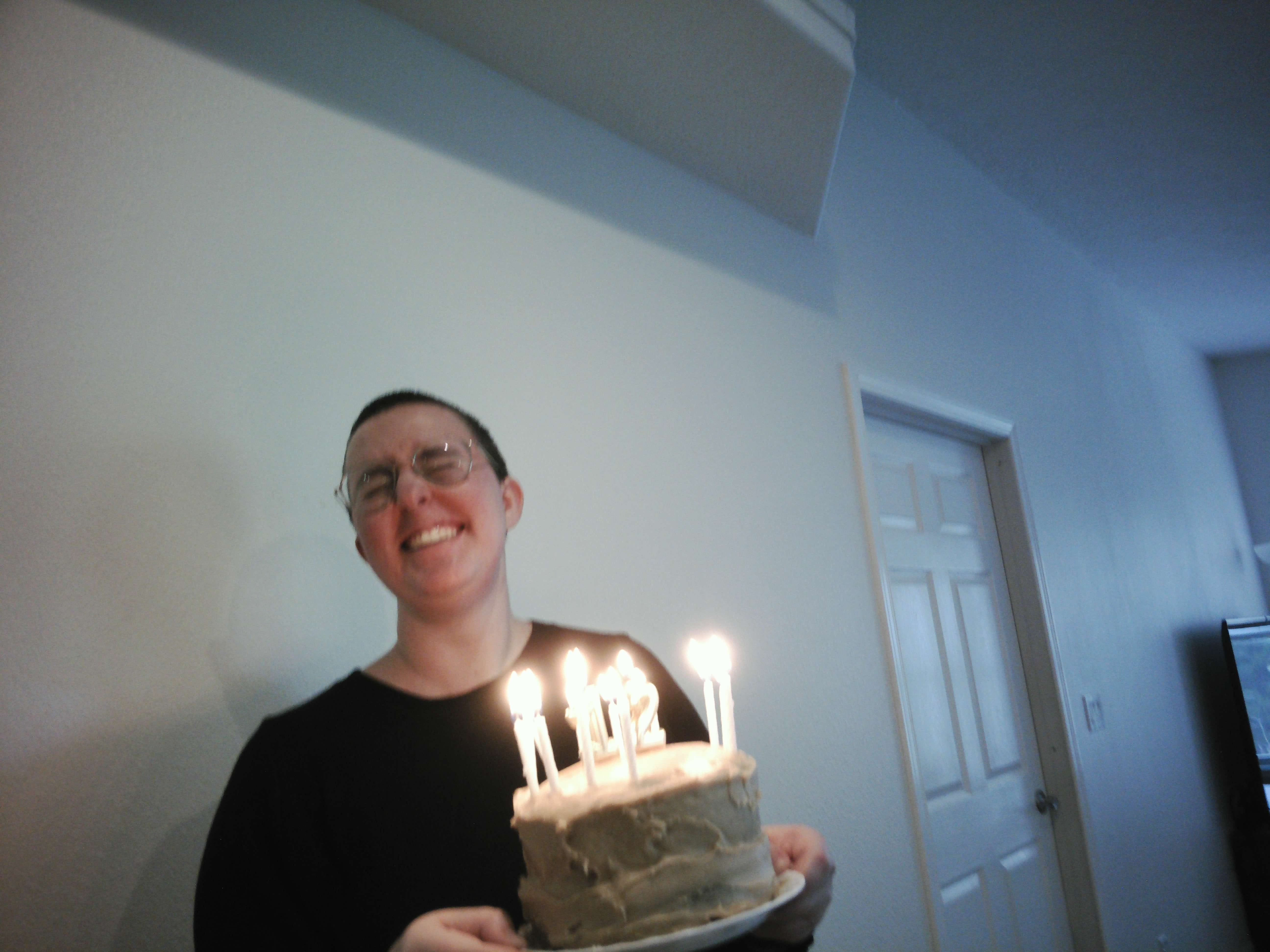
Still, I learned so much about life, the universe, and myself from writing this book. I’d love to share some of those lessons with you.
You think it would get easier to write a book after you’ve written so many. Unfortunately, this is not the case. Each book presents its own unique challenges. Some of project.death’s challenges included: the emotional toll, the POVs and voice (both of which will need refinement in revision), the soft/hard magic systems, and the length! Regarding the length of a book, I usually have a solid idea of how many words it’ll be. I didn’t have ANY idea of how long project.death would be. The final word count was a complete surprise.
Conversely, I am a noticeably better writer. The paradox is this: Writing doesn’t get easier, but you do get better at it. Don’t ask me how it works; I’m still trying to figure that out.
When I write, I write for future me. When I started drafting project.death in May, I wrote this line: “Just because you return to a place doesn’t mean you’re moving backwards.” I then took a break from the project, moved to my childhood home in July, and returned to the project in August. When I reread this line, it gave me so much comfort and I realized: May C. K. knew what August C. K. needed to hear.
This project was perfect for this time. It was right at the top of my skill capacity, which allowed me to enter a flow state for the last ten thousand words, letting me finish the novel in two days after I figured out the final story problem.
The more you put into a book, the more it gives back. I don’t have much else to say about this one, except that I am so grateful the universe let me have this idea and write this book. <3
Thanks for reading. I would love to hear any questions you have about my process in the comments, or share your own experience!
If you would like to support me, there are three new options, and we are eliminating an old one. For one time support, please consider supporting me on Ko-fi. For continued support, please consider upgrading to a paid subscription here on Substack! Notably, paid supporters on Substack get bonus content! This marks a shift away from using Patreon, so anything on my Patreon shop will be moved to my website shop. Additionally, the content on Patreon will slowly be moved over to Substack. If you’re writing a book, check out my book coaching services!